
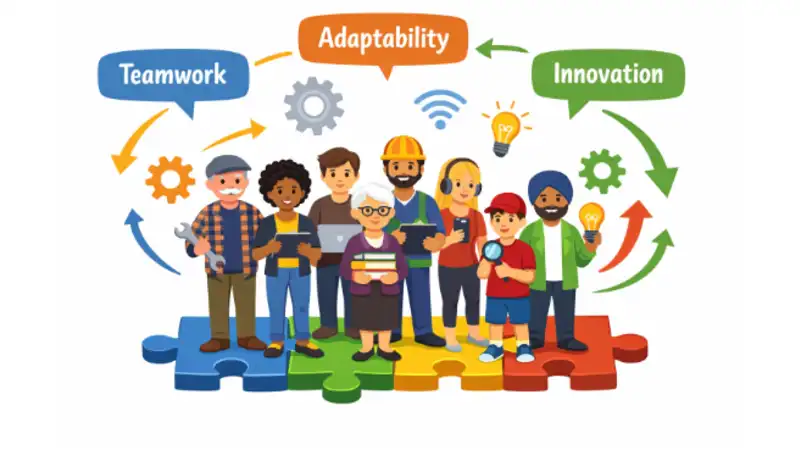
Today’s business landscape is defined by relentless change, global competition, and emergent threats such as economic fluctuations and technological shifts. For organizations to endure and thrive, it is essential to build a workforce that can adapt quickly and effectively to new challenges. Cultivating resilience ensures that employees are prepared not only to withstand disruptions but also to capitalize on emerging opportunities. Workforce resilience goes beyond simply reacting to external pressures. It requires proactive planning, development, and the ability to pivot strategies when necessary. A core component of this resilience is robust talent management, which helps align organizational needs with employee aspirations and dynamic industry trends.
Organizations that focus on long-term talent sustainability remain productive while their competitors struggle with volatility. Supporting staff through education, support systems, and innovative management amplifies this stability, ensuring readiness to address foreseeable and unforeseen obstacles. Across all sectors, the necessity to anticipate future disruptions and respond with agility can be the difference between business growth and stagnation.
Strategies for Futureproofing Talent Management
Effective talent management is no longer a static HR responsibility. It now requires a strategic, forward-thinking approach that keeps pace with evolving business demands. Consider the following best practices for futureproofing your organization’s talent pipeline:
- Proactive Workforce Planning: Instead of responding reactively to gaps and needs, organizations should deploy strategic workforce planning. This includes forecasting upcoming roles, assessing potential skill shortages, and aligning talent with future organizational objectives.
- Embracing Flexibility: Flexible work policies, such as hybrid and remote models, enable employees to balance personal and professional responsibilities more effectively. As a result, these frameworks tend to improve morale, productivity, and talent retention.
- Continuous Learning and Development: Develop a culture where ongoing training and development are part of the employee journey. Encouraging staff to upskill and reskill fosters resilience and empowers them to adapt to emerging job requirements.
Organizations must also prioritize diversity, equity, and inclusion (DEI) as a pathway to resilience. A diverse workforce draws upon a broader range of perspectives and experiences, equipping teams to solve complex problems more effectively. Inclusive talent management means fostering equitable development opportunities so that all employees can contribute to organizational growth.
DEI initiatives lead to higher employee engagement and a greater sense of belonging, which are vital for enduring external pressures. Another vital aspect of futureproofing is leadership development. Investing in both current and emerging leaders enhances the organization’s ability to steer through uncertainty.
Leadership programs focused on empathy, decision-making, and change management cultivate individuals who can inspire teams and drive innovation even in unpredictable environments.
Leveraging Technology in Talent Management
Technology is foundational to modern workforce strategies. The adoption of digital platforms, AI, and data analytics enables HR teams to enhance efficiency, personalize talent development, and predict organizational needs. AI-driven tools can help match skills to roles, streamline recruitment, and highlight gaps before they affect productivity. In addition to improving processes, smart technologies facilitate better decision-making.
Organizations that leverage these solutions are more agile in response to change and can maintain a more engaged, empowered workforce. Automation of mundane tasks allows HR professionals to dedicate more time to strategic initiatives that foster growth and sustainability. For further analysis, see Forbes’ insight on technology in talent management.
As machine learning and AI-driven analytics expand, organizations are increasingly able to personalize employee experiences, from tailored training programs to career pathing recommendations. These tools can identify hidden skill sets within the existing workforce, enabling companies to optimize internal mobility and reduce time-to-productivity for newly assigned roles. Moreover, cybersecurity protocols must keep pace to ensure employee data remains secure, building trust in digital solutions.
Case Study: Manufacturing Sector’s Approach
The manufacturing industry provides an illustrative example of resilience in action. Facing ongoing challenges like labor shortages and the introduction of advanced machinery, sector leaders have embraced a twofold strategy. First, they prioritize upskilling existing employees through well-designed training programs and provide clear career advancement paths that motivate retention. Second, manufacturers invest in automation to streamline operations without diminishing employee value. Workers learn to collaborate with new technologies, ensuring efficiency and safety standards are met.
This approach demonstrates that a balance of human skill and automation accelerates adaptation without compromising workforce stability. Additionally, manufacturers increasingly partner with technical schools and community colleges to create apprenticeship programs. These partnerships build a robust talent pipeline, ensuring a steady flow of skilled workers while giving back to local communities. Such collaborative training initiatives are vital for adapting to technological evolution and bridging the skills gap prevalent in the sector.
Building a Culture of Resilience
Beyond process improvements, long-term workforce resilience relies on nurturing a supportive organizational culture. Consider these foundational practices:
- Encouraging Open Communication: Create an environment where transparency is valued and feedback is encouraged. Open dialogue helps teams spot challenges early and cultivate trust, which underpins adaptability during times of change.
- Supporting Employee Well-being: Implement well-being initiatives that address mental, physical, and emotional health. Programs that support employee wellness improve engagement, reduce turnover, and help build a more committed workforce.
- Recognizing and Rewarding Adaptability: Set up systems to acknowledge employees who demonstrate flexibility, persistence, and innovation. Recognition reinforces a positive culture where adaptability becomes second nature.
In cultivating resilience, leaders should emphasize psychological safety, allowing employees to experiment with new ideas and learn from mistakes without fear of reprisal. This mindset fosters innovation at every level, encouraging risk-taking and agile thinking that prepare teams to navigate ambiguity. Cross-functional collaboration, mentorship programs, and transparent communication channels are additional facets that support a resilient workforce culture.
Conclusion
A resilient workforce is a distinct competitive asset in today’s unpredictable global economy. Successful organizations understand the importance of proactive talent management, technological agility, and a supportive culture focused on continuous learning. By anticipating challenges and equipping employees for the future, businesses can remain innovative and prepared for whatever lies ahead.
In summary, the ongoing transformation of work environments signals a shift in how we manage talent in the 21st century. Organizations that invest in adaptable strategies, embrace technology, cultivate diverse talent, and foster a resilient culture will find themselves best positioned to thrive in both stability and crisis. The future belongs to those willing to embrace this evolution and build a workforce prepared for both anticipated and unknown challenges.